Growth & Play: 3D Animation

Founder

Founder
Growth does not always come from louder messaging, longer pitch decks, or more complex campaigns. Often, it starts when a brand makes its ideas easier to explore, understand, and remember. That's why we talk a lot about making the complex clear here at MightyGiant.
Playful visual strategies, especially through 3D animation and interactive-looking design, can turn technical concepts, product stories, and brand experiences into moments people actually want to engage with.
For teams working with complex products or competitive markets, play is not the opposite of professionalism. It is a practical communication tool. When combined with strong 3D design, clear messaging, and purposeful storytelling, it can help audiences grasp value faster and feel more confident taking the next step.
Play helps brands grow because it lowers the effort required to understand, trust, and remember an idea. We've always been proud of delivering content that people remember. When people can see a product in motion, explore a concept visually, or experience a message with a sense of fun, they are more likely to stay engaged long enough to understand why it matters.
This is especially useful when the subject is technical, abstract, or difficult to explain with static images alone. A 3D technical animation can show how a product works internally, how components interact, or how a process unfolds step by step. Instead of asking the audience to imagine the value, the brand can make that value visible.
Playful strategies also create emotional contrast. In a market full of 'samey', a thoughtful animation, visual metaphor, or unexpected moment of delight can make a message feel lighter without making it less serious. The goal is not to entertain for entertainment’s sake. The goal is to make clarity feel enjoyable. To be memorable too.
Before any motion, color, or visual effect is added, the team needs a clear answer to one question: what should the audience understand after this experience? Playful creative work becomes powerful when it is anchored to a specific communication goal.
For example, a product team might want to explain a hidden mechanism. A sales team may need a more engaging way to present a solution. A marketing team might want to make a landing page feel more premium, modern, or memorable. Each goal can use 3D modeling and animation differently.
A playful strategy should define:
The core message: What is the one idea the viewer should remember?
The audience’s current challenge: Are they confused, skeptical, distracted, or unaware of the product’s value?
The desired action: Should they book a demo, request a quote, keep reading, share the content, or understand a process?
The right level of detail: Does the visual need to be technically precise, emotionally expressive, or a blend of both?
The brand boundaries: What feels friendly and engaging without drifting away from the company’s credibility?
This foundation keeps creativity from becoming decoration. A beautiful 3D animation design can attract attention, but it only supports growth when it moves the viewer toward understanding and action.
One reason 3D animation works so well in growth-focused content is that it can get inside. It can see parts we otherwise couldn't see. It can reveal information in the order the viewer needs it, rather than overwhelming them with everything at once.
A static diagram can show parts. A 3Danimation can zoom into a mechanism, rotate around an object, simplify a complicated environment, and guide attention to the exact detail that matters. This is where 3d technical animation becomes especially valuable for industries with engineered products, medical devices, manufacturing systems, software infrastructure, or any offer that benefits from visual explanation.
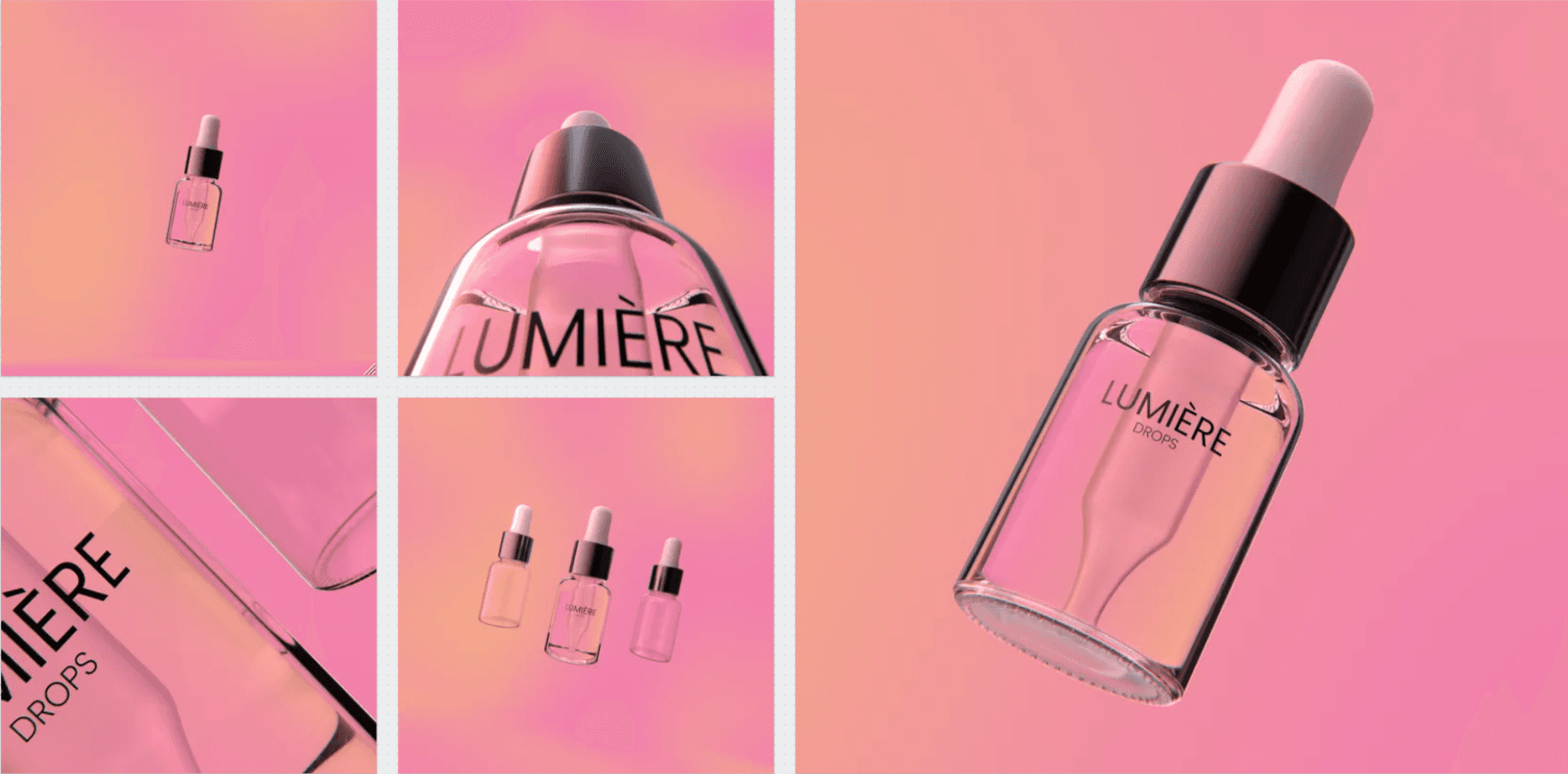
The same principle applies to less technical brands. A service company can use 3D design to visualize an invisible workflow. A startup can use motion to show how users move from problem to solution. A consumer brand can use playful 3D animation to create a memorable product reveal or campaign identity.
Good 3D animation examples often share a few qualities:
They simplify before they impress. The strongest visuals make the message clearer, not just more dramatic.
They guide the eye. Motion, lighting, and camera movement point the viewer toward the most important information.
They respect pacing. The animation gives people time to absorb each idea before moving on.
They connect form to function. Visual style reflects the product, audience, and brand personality.
They end with purpose. The final moment reinforces the message or encourages the next action.
Used this way, 3D modeling and animation becomes more than a production technique. It becomes a structured way to communicate value.
A playful visual strategy feels professional when every creative choice has a reason. Color, movement, texture, character, timing, and composition should all support the audience’s understanding rather than compete for attention.
Professional play is intentional. It may use surprising transitions, satisfying motion, bold shapes, or imaginative environments, but it still respects the brand’s positioning. A healthcare technology company, for example, may use calm motion and precise 3D animation & Motion Design to explain a process with warmth. A hardware company may use a sharper visual system to highlight durability, speed, or engineering detail.
The balance depends on context. Too much play can make a serious product feel lightweight. Too little can make a valuable idea feel dull. The strongest approach sits between those extremes: clear enough to trust, engaging enough to remember.
To keep playful creative work grounded, consider these practical rules:
Use abstraction where simplicity matters. Not every internal process needs exact realism. Sometimes a clean metaphor explains the idea faster.
Use realism where trust matters. Accurate proportions, materials, and movement can help audiences believe what they are seeing.
Limit visual noise. If everything moves, nothing feels important.
Match motion to meaning. Smooth motion can suggest ease. Mechanical motion can suggest precision. Quick reveals can suggest speed or innovation.
Keep the call to action visible. Engagement should lead somewhere useful, not end with visual admiration alone.
Playful does not mean childish. In growth-focused design, it means inviting people into the idea instead of forcing them to decode it.
A brand does not need to rebuild its entire marketing system to benefit from 3D design. Often, the best starting point is a single high-value moment where better explanation or stronger attention could improve performance.
Product explainers are one of the most natural uses for 3D animation. They help viewers understand shape, scale, movement, materials, and internal function. This is useful when the real product is difficult to film, still in development, too small, too large, or too complex to explain through photography.
A clear product animation can support sales conversations, trade show displays, investor presentations, product pages, and social content. The same core asset can often be adapted into shorter clips, still frames, or presentation visuals, making the creative work more flexible across channels.
When a process has several stages, 3D technical animation can make the sequence easier to follow. It can show inputs, outputs, friction points, safety features, assembly steps, or system behavior in a controlled visual environment.
This is especially helpful when the audience includes both technical and non-technical decision makers. Engineers may look for accuracy, while executives may look for business impact. A well-planned animation can serve both by making the mechanism clear and tying it back to practical outcomes.
Not every 3D animation needs to explain a product literally. Some of the most memorable uses are campaign-driven: a visual world, animated symbol, product transformation, or playful motion language that gives the brand a distinct feel.
These creative assets can help a brand stand out on websites, ads, social posts, launch videos, and event screens. The key is consistency. If the campaign uses 3D animation examples as inspiration, the final direction should still feel ownable to the brand, not like a copy of a trend.
A structured planning process helps teams avoid vague briefs and expensive revisions. Before production begins, align the message, audience, visual style, and delivery format.
Use this checklist as a starting point:
Define the job of the asset. Is it meant to explain, attract, persuade, onboard, train, or differentiate?
Choose the hero idea. Decide what the animation should make unmistakably clear.
Gather reference materials. Product files, sketches, diagrams, brand guidelines, and existing copy can all shape the direction.
Decide the visual approach. Choose between realistic, stylized, technical, abstract, or hybrid 3D animation design.
Map the viewer journey. Plan what appears first, what gets revealed next, and what the viewer should feel by the end.
Write for motion. Keep scripts concise. Animation can carry some explanation visually, so the words should support rather than duplicate what is on screen.
Plan for reuse. Consider how the final work can become cutdowns, still images, thumbnails, web loops, or sales visuals.
Review for accuracy. If the content is technical, involve subject matter experts early so the creative team can balance precision with clarity.
This framework keeps the project focused on outcomes. It also helps 3D modeling and animation teams make better creative decisions because they understand the business purpose behind the visual work.
Playful strategies can lose impact when they prioritize novelty over usefulness. A spinning object, glossy render, or dramatic transition may look impressive, but if it does not help the viewer understand the message, it becomes a distraction.
One common mistake is starting with style before strategy. Teams may choose a trendy 3D design direction without asking whether it fits the audience or the offer. Another mistake is trying to explain too much in one asset. A short animation should not carry every detail from a brochure, sales deck, and technical manual at once.
Brands also weaken results when they treat 3D animation as a one-off visual rather than part of a larger communication system. A strong asset should connect to the page copy, campaign message, sales narrative, and next step. If the animation says one thing and the surrounding content says another, the viewer has to work harder than necessary.
To avoid these issues, keep the creative brief focused, use motion to clarify hierarchy, and test the concept against a simple standard: would someone understand the main point even if they only watched once?
The value of playful 3D content is not only in how it looks. It is in how well it supports attention, comprehension, confidence, and action. While every team will measure success differently, the right indicators usually connect back to the asset’s original purpose.
For a website animation, a team may look at engagement with the page, scroll behavior, clicks to the next step, or whether visitors spend more time with key product information. For sales enablement, feedback from sales teams may reveal whether prospects understand the offer faster. For product education, teams may watch for fewer repeated explanations or smoother onboarding conversations.
The important point is to define success before production. A playful animation made to drive awareness should not be judged only by direct conversions. A technical explainer should not be evaluated only by visual style. Match the measurement to the mission.
Playful strategies work because they make people want to pay attention. When paired with purposeful 3D animation, they can help brands explain complex ideas, create stronger first impressions, and guide audiences toward meaningful action.
The best results come from balancing imagination with discipline. Start with the message, choose the right visual approach, and make every movement serve the viewer’s understanding. Whether you are developing a product explainer, a 3D technical animation, or a broader campaign system, the goal is the same: make the value easier to see, easier to remember, and easier to act on.
Could your product be helped by some of the design here. We'd love to hear more about your brand and help you give it some motion and animation.